

Is Your Texting Becoming a Pain in the Neck?
Text neck, also known as tech neck, is a condition that occurs when the neck muscles strain from prolonged periods of looking down at electronic devices such as phones or computers. Symptoms may include neck pain, stiffness, headaches, back pain, numbness or tingling in the neck, and weakness or pain extending down to the arms. The primary cause of text neck is poor posture while using devices, which puts undue stress on the neck and spine.
Understanding Text Neck
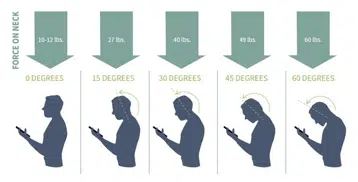
In today’s digital age, where smartphones and computers have become an integral part of our lives, it’s crucial to understand the impact of these devices on our physical well-being. One particular condition that has emerged is text neck, also known as tech neck. This ailment occurs when the neck muscles strain to hold the head up while looking down at a phone or computer for extended periods. The prolonged forward head posture adopted during device usage places excessive stress on the cervical spine, leading to various musculoskeletal issues.
Picture this: You’re sitting at your desk, engrossed in reading a captivating article on your laptop. As you lean forward, peering at the screen, your neck slowly begins to droop. Unbeknownst to you, this seemingly harmless action is placing tremendous strain on the delicate structures of your spine. Over time, this repetitive forward-leaning position can lead to the development of text neck.
Maintaining good posture while using electronic devices is crucial in preventing text neck. Ideally, the phone or tablet should be held at eye level to reduce strain on the neck and upper back. Additionally, practicing a neutral upward spine position ensures that the weight of your head is distributed properly along the spinal column.
Recognizable Symptoms of Text Neck
Text neck may start with mild discomfort or stiffness in the neck and upper back area, but if left untreated, it can progress into more severe symptoms. It’s important to be able to recognize these signs early and take appropriate measures to address them.
Symptoms commonly associated with text neck include:
- Neck Pain and Stiffness: A persistent ache or soreness in the neck region is one of the most noticeable symptoms of text neck. The muscles may feel tight and tender to the touch, making it difficult to move the neck freely.
- Headaches: The strain placed on the neck muscles can lead to tension headaches that radiate from the base of the skull towards the temples.
- Neck Spasms: Intermittent or prolonged muscle spasms in the neck area can be quite uncomfortable and may restrict normal movement.
- Back Pain: The poor posture associated with text neck can eventually cause discomfort in the upper back as well. This pain may extend from the shoulders down to the lower back.
- Numbness or Tingling in the Neck: Compression of nerves due to improper alignment of the cervical spine can result in a sensation of numbness or tingling in the neck.
- Weakness or Pain Extending Down to the Arms: In more severe cases, text neck can cause pain or weakness that radiates down into the arms and even into the hands, potentially disrupting daily activities.
Imagine waking up with a pounding headache that won’t subside throughout your day at work. Your neck feels stiff and achy, inhibiting your ability to turn your head comfortably. As you reach out for an object, you notice a tingling sensation running down your arm. These symptoms, while seemingly distinct, could be attributed to text neck.
Recognizing these symptoms early on is crucial for timely intervention and prevention of further complications. So if you suspect you may be suffering from text neck, it’s essential to seek appropriate care and take steps towards alleviating this condition.
Common Causes Behind Text Neck
One major cause is the prolonged and repetitive forward head posture we adopt when using electronic devices. When we look down at our phones or lean forward towards our computer screens for extended periods, we put excessive strain on the muscles in our neck and upper back. This strain gradually weakens these muscles and leads to imbalances, causing discomfort and pain.
Another contributing factor is poor ergonomics. Insufficient support from chairs, desks, and computer setups can encourage slouching and incorrect posture. When our body alignment is not properly maintained, it exacerbates the strain on our neck muscles, resulting in text neck.
Interestingly enough, excessive phone or computer use isn’t the only culprit. Other activities like reading physical books with poor posture or constantly looking down while knitting or crafting can also contribute to text neck over time.
Consider Sarah, a student who spends countless hours hunched over her laptop studying for exams without taking breaks or practicing proper posture. Over time, she starts experiencing neck pain and stiffness. Her constant habit of texting and scrolling through social media on her phone exacerbates the issue. Sarah now finds herself with an uncomfortable condition known as text neck.
Small habits that seem harmless in the moment can accumulate into significant issues over time. It’s crucial to be mindful of these behaviors and take preventive measures to avoid text neck.
The Lasting Impact of Text Neck
Text neck may seem like a temporary discomfort, but its lasting impact can have severe consequences if left unaddressed. It’s not just about dealing with occasional pain; there are potential long-term effects on your spine and cervical area that should be taken seriously.
One of the primary concerns is the risk of developing spinal problems. The constant strain caused by text neck can lead to pinched nerves, spinal deterioration, and even herniated discs. These conditions can cause a myriad of symptoms such as radiating pain, numbness or tingling in the neck and arms, and weakness that extends from the neck down to the hands.
The consequences of untreated text neck can go beyond physical discomfort. As the strain on the spine persists, it can contribute to other health issues like arthritis, disc breakdown, shoulder inflammation (subacromial impingement), stenosis (narrowing of the spinal canal), and bulging or ruptured discs that pinch nerves and cause pain spreading down the arms.
Imagine Tom, a young professional who ignored his text neck symptoms for years, thinking they were merely temporary discomforts. As time went on, his occasional headaches turned into chronic migraines that affected his productivity and well-being. Tom’s untreated text neck eventually led to long-term damage to his spinal nerves and cervical discs. He had to undergo extensive medical treatments and surgery to alleviate his condition.
Understanding the lasting impact of text neck emphasizes the importance of taking preventive measures and seeking treatment as soon as symptoms arise. From maintaining proper posture while using devices to practicing regular stretching exercises, these steps help minimize the risk of further damage to your spine.
Treatment Methods for Text Neck
One effective treatment method is taking regular breaks from technology use. Prolonged periods of screen time should be interspersed with short breaks where you stretch your neck, shoulders, and back muscles. These breaks allow your body to recover from prolonged positions that contribute to text neck.
Arching your neck and upper back occasionally throughout the day can also help counteract the effects of text neck. This simple action helps reverse the forward head posture and relieves strain on your neck muscles. Additionally, focusing on exercises that strengthen your back muscles can provide support for your spine and alleviate some of the strain caused by text neck.
To improve flexibility in the neck, performing regular stretching exercises targeting the upper trapezius area and the muscles in the back of the neck can be beneficial. These stretches help reduce muscle spasms and promote better range of motion in the neck.
For instance, you might try gentle chin tucks by slowly retracting your chin towards your chest until you feel a stretch in the back of your neck. Another exercise is shoulder pullbacks, where you squeeze your shoulder blades together while pushing your chest forward.
While these self-care measures are a good starting point, seeking professional treatment is highly recommended. Engaging in physical therapy with a trained Austin physical therapist can provide tailored exercises and stretches to address specific issues related to text neck. A physiotherapist can guide you through a comprehensive rehabilitation program that targets muscle imbalances, improves posture, and strengthens key areas to alleviate pain and prevent further damage.
To achieve better posture while using devices, it is essential to:
- Keep the phone or tablet at eye level rather than looking down.
- Maintain a neutral upward spinal position by ensuring the head is aligned with the shoulders.
- Sit up straight with shoulders relaxed.
- Use ergonomic chairs or adjustable standing desks whenever possible to support a neutral spine position.
By intentionally practicing these habits and incorporating physical therapy exercises into one’s routine, we can make significant progress in relieving pain and preventing further damage caused by text neck.
Preventing Text Neck in the Digital Age
As technology continues to be an integral part of our lives, it is crucial to adopt healthy device use habits and take proactive measures to prevent text neck.
Here are some effective strategies:
- Take regular breaks: Engaging in prolonged device use can strain the neck and upper back. Take short breaks every 30 minutes or so, stretch, and change positions to release tension in the muscles.
- Adjust screen and seating position: Ensure that your screen is at eye level and directly in front of you. Sit in a chair with proper back support, and make ergonomic adjustments as needed to maintain a neutral spine alignment.
- Practice exercises for neck and back: Incorporate exercises that strengthen the neck, upper back, and core muscles into your routine. Simple movements like neck rotations, shoulder rolls, and gentle stretches can help alleviate muscle tension.
- Increase flexibility: Perform upper trapezius stretches and gentle neck stretches to improve flexibility in these areas. This can help reduce muscle spasms and promote better posture.
- Use voice-to-text features: Utilize technology’s voice-to-text capabilities whenever possible to minimize the need for excessive text input on smartphones or tablets.
By implementing these preventive measures, we can mitigate the risk of developing text neck while still enjoying the benefits of technology and digital devices.
If you are experiencing neck pain, schedule a FREE discovery session with us so that we can work together to get you back to being pain free while enjoying your devices.